Challenges for Europe's Largest Port
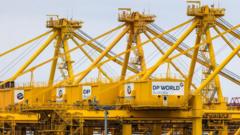
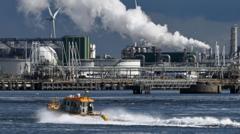
Located at the confluence of the Rhine and Meuse rivers, the Port of Rotterdam is a vital hub for freight transport across Europe. The port, built largely on land reclaimed from the North Sea, is a central player in the continent's energy and chemicals supply chain. It hosts five oil refineries, including Shell's largest in Europe, processing vast quantities of crude oil daily. This activity contributes to a significant amount of CO2 emissions, making Rotterdam a focal point for discussions on transitioning to greener operations.
Environmental Pressure and Legal Action
The environmental group Advocates for the Future has initiated legal action against the Port of Rotterdam Authority. They argue that the port's current efforts to phase out fossil fuels are insufficient and demand a comprehensive strategy to reduce the flow of coal, oil, and gas through the port. According to CE Delft research, the fossil fuels managed by the port are associated with approximately 600 megatonnes of CO2 annually, eclipsing the emissions of many nations.
Port Authority's Response and Initiatives
The Port of Rotterdam Authority has outlined a plan to decrease emissions from its operations and promote sustainability among businesses within the port. The authority aims to reduce its direct and purchased energy emissions by 90% from 2019 levels by 2030. This plan includes establishing a hydrogen hub, investing in onshore power for ships, and supporting alternative fuel bunkering like LNG, biofuels, and methanol.
Furthermore, the port is engaging in Carbon Capture and Storage (CCS) through the Porthos project, which involves storing CO2 emissions in depleted gas fields offshore. These initiatives are part of a broader strategy to mitigate the port's environmental impact.
Balancing Economic and Environmental Interests
Maikel van Wissen, director of Advocates for the Future, emphasizes the need for the port to leverage its influence to expedite the transition to greener operations. He argues that as a state-owned enterprise, the port has a responsibility to act in line with state obligations to reduce emissions. The lawsuit seeks to establish a phased plan to reduce fossil fuel dependency and develop sustainable alternatives.
Oscar van Veen, director of innovation at the Port of Rotterdam, acknowledges the challenge of balancing economic interests with environmental responsibilities. While the port is working towards phasing out polluters, many of the largest emitters are subsidiaries of multinational corporations headquartered abroad, making regulation a complex issue.
Global Context and Challenges
The transition of the Port of Rotterdam is complicated by geopolitical factors and global market dynamics. Regional regulations, such as the EU's Emissions Trading System and sulphur limits, have influenced shipping practices, but the port's efforts are sometimes undermined by international competition and differing environmental standards. Many vessels switch to cheaper, higher-sulphur fuel once outside European waters, highlighting the limitations of regional policies.
Experts like Bettina Kampman from CE Delft and Professor Harry Geerlings of Erasmus University Rotterdam emphasize the need for a global framework to ensure a level playing field. They note that while the port authority is committed to sustainability, its income is still largely tied to fossil fuel industries, presenting a significant hurdle in the transition.
Future Outlook
The Port of Rotterdam Authority and its critics share a common goal: achieving net-zero emissions by the mid-21st century. However, opinions differ on the pace and scope of necessary changes. Advocates for the Future seek a detailed, immediate plan for reducing fossil fuel activities, while the port authority focuses on gradual, systemic changes.
As the port continues to grapple with these challenges, its actions could provide a model for other ports worldwide facing similar pressures. The outcome of this transition will likely influence global shipping and trade practices, setting precedents for future environmental policies.
Source: Original Article