Challenges in U.S.-Iran Relations
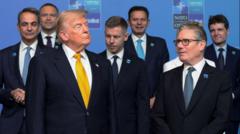
President Donald Trump's recent statements concerning Iran underscore the complex dynamics of U.S.-Iran relations. During the NATO summit in Turkey, Trump expressed disdain for Iran, calling its leaders "sick people" and indicating that they would resort to using a nuclear weapon if they possessed one. Despite these strong words, the possibility of continued negotiations remains open.
Trump's rhetoric has oscillated between victory claims and threats of severe actions against Iran. He recently stated that the U.S. might "hit them harder again tonight," suggesting an escalation in military actions. The U.S. possesses significant military capabilities, but it has not succeeded in compelling Iran to relinquish its core demands, particularly regarding control over the Strait of Hormuz.
Negotiations Amid Tensions
The U.S.'s attempts with Israel to dismantle the Iranian regime have not yielded the desired outcomes. Despite the tense atmosphere, negotiations continue, albeit with uncertainty. Trump, when asked about the state of negotiations, allowed that his negotiators could continue discussions, though he expressed skepticism about their potential success.
The negotiation process is fragile, with mediators describing recent developments as setbacks. The diplomatic climate is strained, with significant distrust between the parties involved. Both nations remain wary of the other's commitment to any potential agreement.
Strategic Importance of the Strait of Hormuz
The current conflict revolves significantly around Iran's determination to maintain its control over the Strait of Hormuz. This strategic waterway is vital, transporting a significant portion of the world's oil and gas supply. Iran's leverage over global shipping routes is considered a more pragmatic asset than its nuclear ambitions.
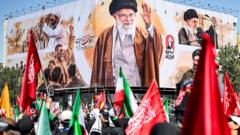
Iran is adamant about preserving its strategic rights in the Strait, even at the risk of prolonging hostilities. The regime has been emboldened by surviving joint U.S.-Israeli efforts to destabilize it. The recent funeral for Ayatollah Ali Khamenei, who was killed in an attack, has showcased the regime's enduring support base.
Prospects for a Diplomatic Resolution
Mediators believe that if the escalation can be halted, a deal could be reached that allows for the safe passage of ships through the Strait. Such an agreement would likely involve unfreezing Iranian assets and permitting oil sales, in exchange for Iran accepting constraints on uranium enrichment and permitting UN inspections.
The recent surge in hostilities underscores the difficulties in achieving such an agreement. The path to a diplomatic resolution remains fraught with challenges, as both sides grapple with deep-seated mistrust.
Source: Original Article