Fuel Shortages in Russia's Capital
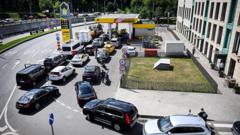
In Moscow, a city known for its prosperity, drivers are encountering extensive queues at petrol stations as a result of a fuel shortage gripping Russia. The situation is characterized by vehicles lining up at almost every station, with some petrol stations having completely run out of fuel and forced to close. Despite the country's rich oil resources, even Moscow is experiencing difficulties in maintaining a steady fuel supply.
Public Sentiment in Moscow
For many in the city, the mood is one of frustration rather than anger. Yekaterina, a driver in Moscow, expressed her dissatisfaction, explaining that there is a sense of panic over the prospect of running out of oil. Another individual, Elmar, noted the increasing prices and the hours spent waiting to refuel. He described planning a trip to Dagestan but uncertain whether to proceed due to the fuel crisis.
Impact of the Ukraine Conflict
Russia's struggle to meet its domestic fuel demand has been exacerbated by Ukrainian drone and missile strikes targeting oil refineries within Russian borders. These attacks, alongside government-imposed internet shutdowns, have contributed to the growing fuel crisis. The conflict, which President Vladimir Putin terms a 'special military operation,' has now entered its fifth year, with the war's repercussions becoming more evident within Russia.
Geopolitical Factors
Amidst the ongoing fuel crisis, some Russians, like Andrei, attribute the situation to 'geopolitics.' He holds a cautious optimism for peace negotiations, although he acknowledges the current challenges faced by European partners. Meanwhile, social media platforms are filled with images of long queues, conflicts at petrol stations, and rationing measures. In response, local authorities in certain regions have even deployed Cossacks to maintain order.
Kremlin's Response
The Russian government, recognizing the potential impact on public opinion, has taken steps to address the fuel shortages. Measures include increasing fuel imports, subsidizing prices, and allowing the sale of lower-grade fuel, despite concerns about potential engine damage. Recent surveys, such as those conducted by the Levada Center, indicate a decline in public trust in President Putin, with approval ratings dipping and economic pessimism on the rise.
Economic Implications
Christopher Weafer of Macro Advisory suggests that the fuel crisis could significantly affect economic growth in Russia, as the costs associated with the conflict increase. The full economic impact is expected to become apparent later in the year, with growth prospects for 2023 appearing bleak.
Potential Political Consequences
The ongoing economic challenges raise questions about potential political pressure on the Kremlin to alter its approach in Ukraine. However, analysts like Nina Khrushcheva assert that President Putin is unlikely to change course due to external pressure. Instead, the expectation is that he may respond with increased aggression.
Despite these economic and political pressures, Putin has maintained a strong stance, recently appearing in military attire and claiming victories on the front line. His recent directives to military leaders to analyze European involvement in the conflict suggest a careful consideration of future actions.
As the situation evolves, international observers are left to speculate on the potential for escalation and the Kremlin's next steps in the ongoing conflict.
Source: Original Article