Cuban Public Protests Intensify Over Frequent Power Cuts
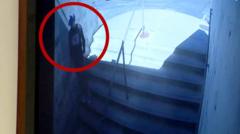
On Tuesday evening, Cubans in various parts of the country engaged in protests by banging pots and setting fires to express their dissatisfaction with the latest in a series of nationwide power outages. This marks the third such blackout this year, prompting spontaneous demonstrations despite the risk of severe penalties in the Communist-ruled nation.
Fuel Shortages and International Tensions
The power cuts have been aggravated by a scarcity of fuel, which is further intensified by strict US sanctions and an effective blockade on oil shipments to Cuba. These conditions have left many without the necessary resources to operate generators during outages.
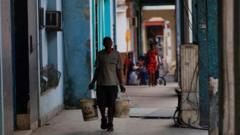
Cuban authorities reported that power had been restored to most regions by Tuesday, yet in several areas, residents continued to demand the restoration of electricity. The energy crisis has led to extended blackouts, with some rural localities experiencing up to 70 hours without power, while urban centers face outages lasting up to 30 hours.
Government and International Responses
Cuban President Miguel Díaz-Canel acknowledged the growing unrest, pointing to a lack of essential services such as transportation, food, and medicine, alongside the prolonged power outages. He emphasized that the public discontent should be directed towards the US, which he blames for the energy crisis, stating, "Direct your pot-banging towards our northern neighbors, who are the ones behind these power cuts."
Conversely, the US Ambassador to the United Nations, Michael Waltz, attributed the blame to the Cuban government. During a UN General Assembly meeting, he urged the Cuban authorities to "change your ways and turn the lights back on for your people," while noting that there always seems to be sufficient power for the ruling regime.
Cuba's Foreign Minister, Bruno Rodríguez, countered these claims, accusing the US of engaging in "multi-dimensional, non-conventional warfare" against the island, which he said has become increasingly severe over recent months.
Deteriorating US-Cuban Relations
Relations between the United States and Cuba have worsened significantly since the beginning of the year. Tensions escalated following US President Donald Trump's allegations that Cuba poses a national security threat. The situation further deteriorated after the US apprehended former Venezuelan President Nicolás Maduro, a close ally of Cuba, which led to additional US sanctions and an oil blockade.
The US has also accused Cuba's former president, Raúl Castro, of murder, even as he remains an influential figure despite his advanced age.
Possibility of Diplomatic Engagement
Despite the public exchange of criticisms, there have been behind-the-scenes discussions between the two countries. However, the Cuban foreign minister noted that these talks have shown no significant progress. He expressed a willingness to continue dialogue, provided it is based on mutual respect and non-interference in Cuba's domestic matters.
Source: Original Article